Jerusalem: The Lion of this Kingdom
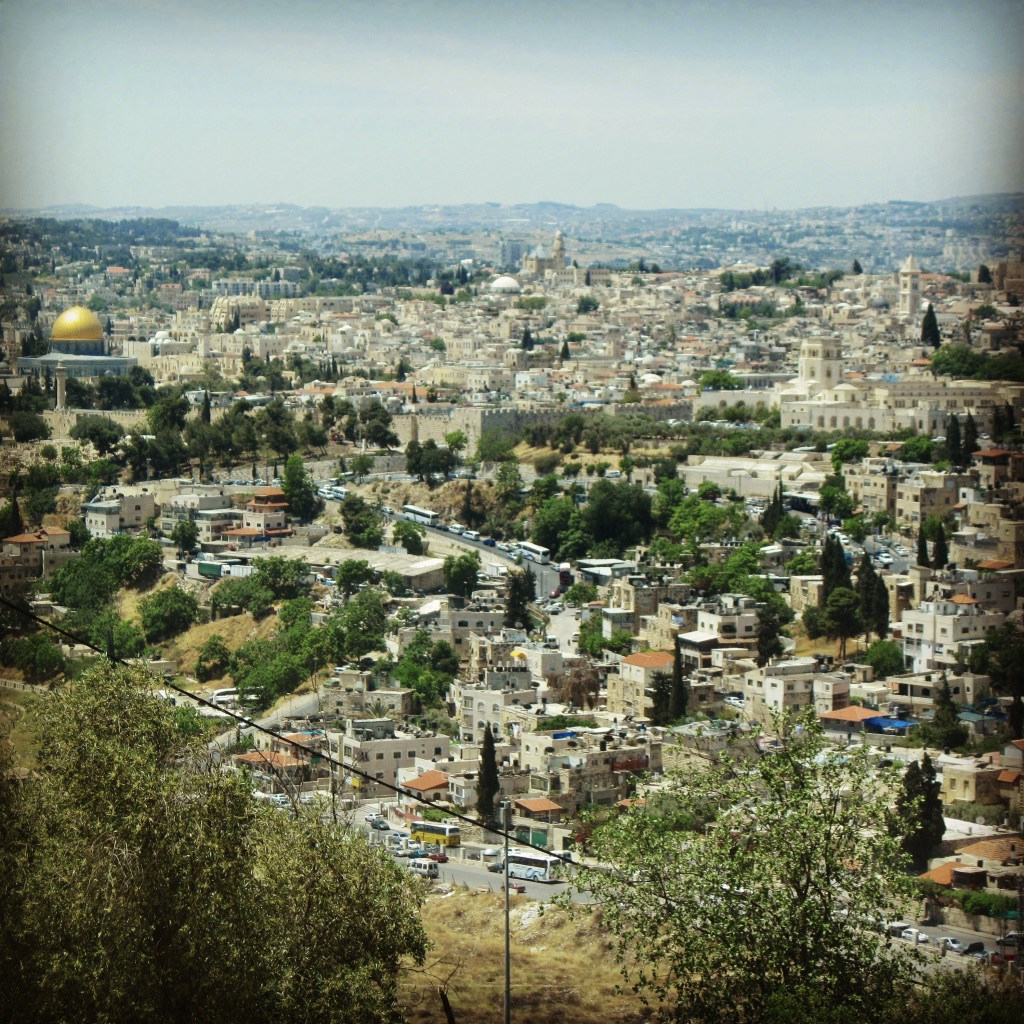
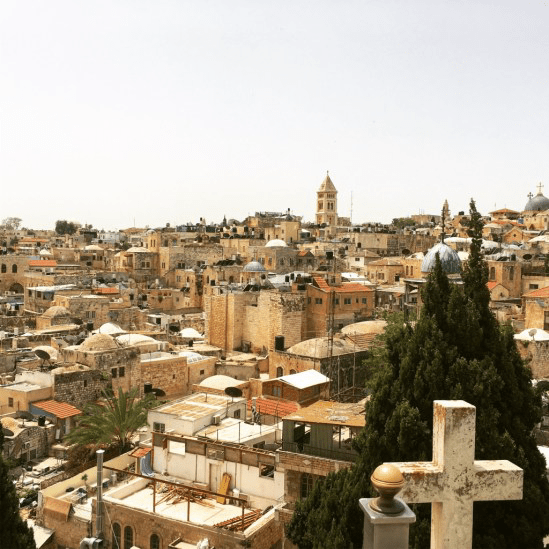
“Throughout the city, the extraordinary energy of the people and each individual nuance they carry leaves a lasting impression. The music from Arab shops swells, a hollow Middle Eastern melancholy. Jewish street musicians deftly entertain passersby with drums, keyboards, stringed instruments, or spirited singing. Chanting and bells reverberate from churches. Minarets call Muslims to prayer. Rabbis chatter to themselves. The people, forever pacing, talking on cell phones or to each other, speak in Hebrew, Arabic, Yiddish, English, Spanish, French, Russian, and Ge’ez. These are the residents and tourists of Jerusalem, engaging life from the center stage, dressed in the garb of their ancestors and walking onward into life’s most enigmatic reaches, emanating a blinding light.”
Athens: On Colorful Footings
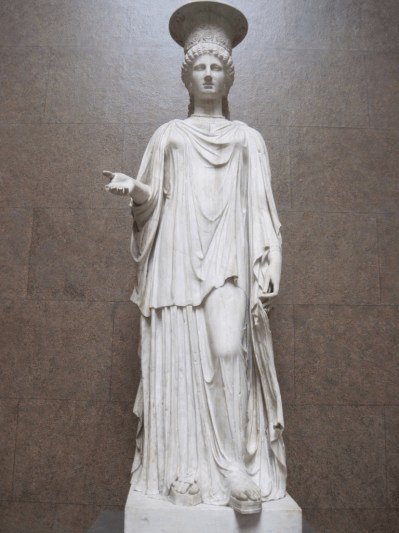
“Athens, like many modern metropolises, ballooned in the 20th century. In 1921, a war with Turkey uprooted more than a million Christian Greeks living in Turkey, many of whom settled in Athens. Immigrants helped expand the city’s population and boundaries. More than a third of Greek nationals, approximately 4 million, now reside in the metro region. Walking Athens and its neighborhoods today provides an indispensable glimpse into the life of Greece’s most heralded municipality. Modernity dominates, and urban sprawl swells, but the remnants of a previous era, a golden era, live on.”
Sinai: Searing in Sand and Sun
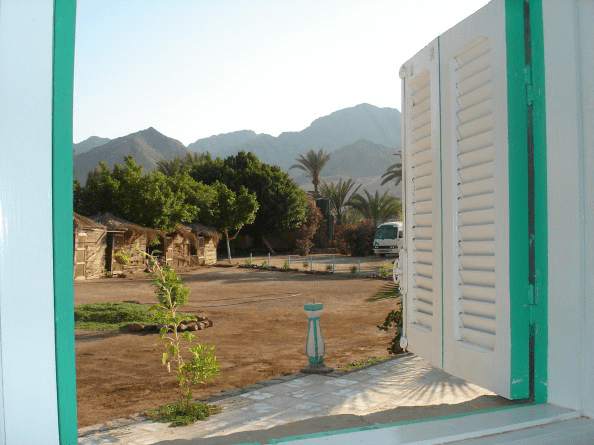
“Bedouin tribes, distinct from Egyptians, remain a majority on the Sinai Peninsula. These nomadic desert dwellers first appeared from the 14th through 17th centuries AD, emerging from Arabian sands. Christian hermits too once retreated to these desolate mountains. Today, many of the shop and innkeepers of the Sinai coast hail from mainland Egypt. The entirety of Sinai resonates with Egyptian mythology. Isis, Osiris, and Horus, the Holy Trinity, are essential to the lore that emanates. And papyrus lives on.”
Alaska: Wilderness Unbound
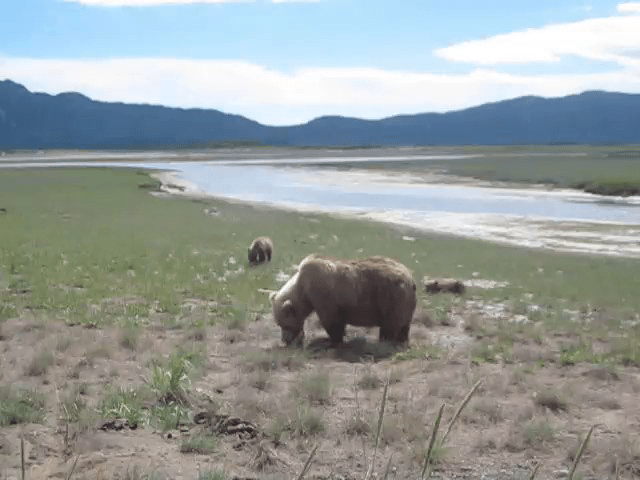
“Takeoff was smooth, and we angled over Kodiak Island on our way to Katmai National Park and Preserve. Willy spotted mountain goats and pointed at bear trails weaving through the brush. We arced across open water toward Katmai. We flew over the bay where we would view the bears and then over a massive glacier. Willy described the significance of color changes on the glacier. Willy flew in Timothy Treadwell, who was mauled by a grizzly in 2003. Treadwell spent 13 summers living with Katmai grizzlies, and his life was captured in the 2005 documentary Grizzly Man.”
Hong Kong and Japan: Channeling the Far East
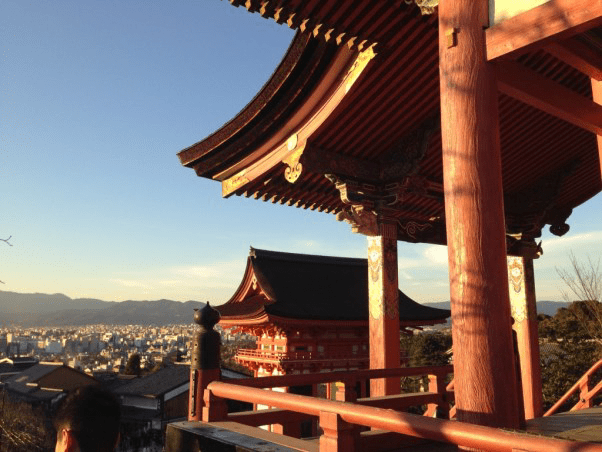
“Eventually, we continued onward through Sannen-zaka and Ninnen-zaka, quaint lanes leading nowhere in particular but boasting shops and eateries. We passed two geishas who looked to be relics from a forgotten age. Finally, we found En, recommended by Time Magazine, where our tea ceremony would take place. Mom and Dad walked around the block nearby, while I stayed put. An American woman walked by, and I struck up a conversation. She lived in Bhutan, helping to preserve the music of the tiny Himalayan country. I showed her the location of En, and soon after, our ceremony began. Five Australian kids were the other participants. We received a gelatinous sweet and then matcha, a powdered green tea. Our host provided brewing, pouring, and sipping instructions. Following the ceremony, we found a noodle shop and listened to other diners slurping noodles as we dug in.”
India: Stepping into the Void
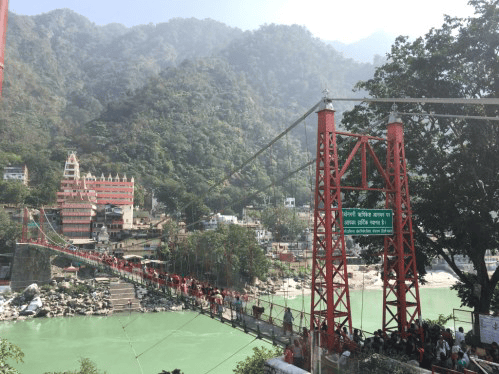
“Diwali, the colorful Festival of Light, celebrating the victory of good over evil and knowledge over ignorance, was happening in Mumbai the week I arrived. Fireworks were visible at street level throughout the city. Getting a cab was tedious. My seatbelt didn’t work, so I held it around me as we weaved in and out of traffic. I was a fish out of water that first night. Honking, shouting, yelling, fireworks, fires, cows, chickens, goats, dogs, cars, cabs, rickshaws, motorbikes, buses, life firing on all cylinders. Lanes and stoplights present a vague guide, certainly not a mandate. Horns are encouraged. India is dynamic, and I loved it.”
Vietnam: Along the Dragon’s Tail
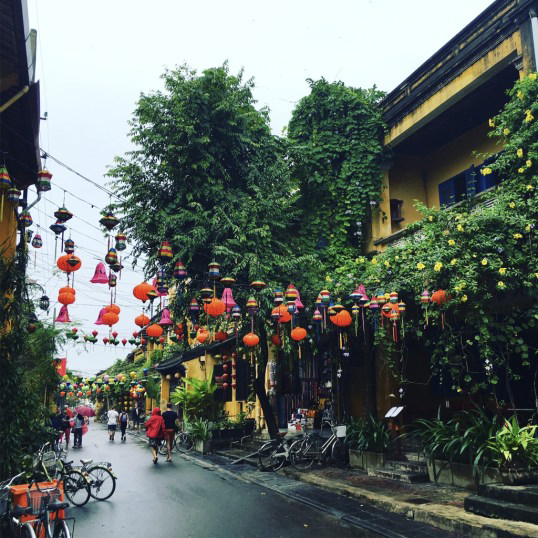
“Later, we toured the War Remnants Museum. Our guide waited outside, as required by her organization. We looked through photos from the conflict, taken by US journalists, framed and on display. Another section showed the effects of Agent Orange, including a deformed, stillborn baby preserved in formaldehyde. Outside, we looked at tanks and helicopters, including a US Army Huey, and then peered inside Tiger Cages, where North Vietnamese kept political prisoners. A bit shaken, we departed and connected with our guide, asking for a pho recommendation. She pointed across the street to a small café, where we dined on Bun bo Hue, a beef noodle soup similar to pho.”
Israel (and Cyprus): Touring the Land of Milk & Honey
“Jaffa was established by at least 1800 BC. Jaffa Port was written about in the Hebrew Bible and the New Testament. It was the port where the cedars of Lebanon arrived for Solomon’s Temple. It’s also where Jonah set forth in the biblical tale of Jonah and the whale. It was ruled by Israel, but then by Assyrians, Babylonians, Persians, Alexander the Great, and the Seleucid Empire. Finally, the Jewish Hasmonean Dynasty took possession before it was burnt by the Romans during the First Jewish-Roman War in the 1st century AD. Josephus tells us that 8,400 inhabitants lost their lives. Arabs conquered Jaffa and the Holy Land in the 7th century. Crusaders took Jaffa in the 10th century, though by 1268 AD, it was in Egyptian hands. The Ottoman Empire ruled for several hundred years. Jaffa’s city walls were torn down to allow the city to expand in the 1870s. In 1909, a group of Jews left Jaffa and started the now-teeming metropolis of Tel Aviv in the sand dunes north of Jaffa. The British seized Jaffa in 1917, and by 1945, it contained 51,000 Muslims, 28,000 Jews, and 15,000 Christians. Intense fighting took place in the city during Israel’s war for independence, but by May of 1948, the city was once again in Israel’s hands.”
Germany, Switzerland, Italy: Treading Timeworn Paths
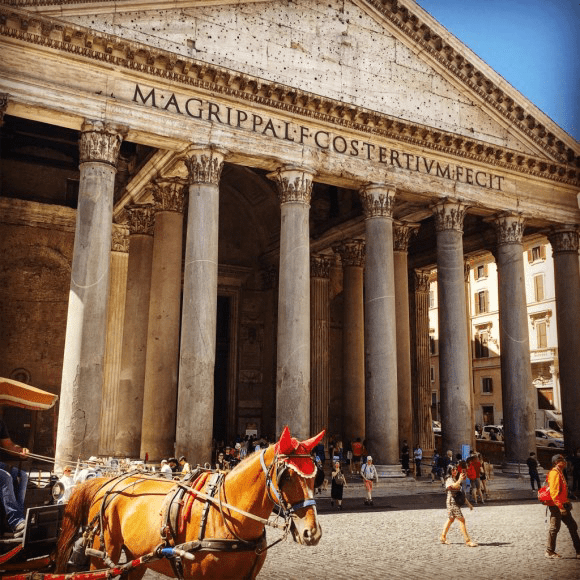
“I walked to the Spanish Steps the next morning to meet up for the Rome Free Walking Tour. The Spanish Steps were constructed between 1723 and 1725 to link the French Trinità dei Monti church above with the Spanish Embassy to the Holy See below. Both structures were under the patronage of Bourbon kings. We shuffled past the impressive 2nd-century Column of Marcus Aurelius, as well as an archaic Egyptian obelisk and the remarkable Pantheon — once a Roman temple, now a church — completed by Emperor Hadrian in 126 AD. We ended at the Tiber River, with a view of the Vatican and Castel Sant’Angelo, also built by Hadrian as a mausoleum for himself and his family. Afterward, I passed by Trevi Fountain, the largest Baroque fountain in the city, appearing in notable films including La Dolce Vita, and then retreated to my hotel.”