South India is the kind of place where one trip can feel like five. You can wake up on a misty coffee estate, eat dosa hot off the griddle, wander through a thousand-year-old temple, and end the day watching the Arabian Sea turn gold.
It’s rich in culture, seriously beautiful, and easier to mix and match than you might think. Kerala brings backwaters and beaches. Tamil Nadu has some of India’s grandest temples. Karnataka gives you ruins, rainforests, and coffee hills. Andhra Pradesh and Telangana add fiery food, old forts, and deep history.
If you’re planning a trip, here’s how to catch the best of South India without rushing past the good stuff.
Start with destinations that balance culture and nature
South India works best when you pair big cultural stops with slower natural places. Temples, palaces, spice gardens, beaches, forests, and hill stations all sit within reach of each other, so you don’t have to choose just one kind of trip.
Kerala gives you backwaters, beaches, and green hills
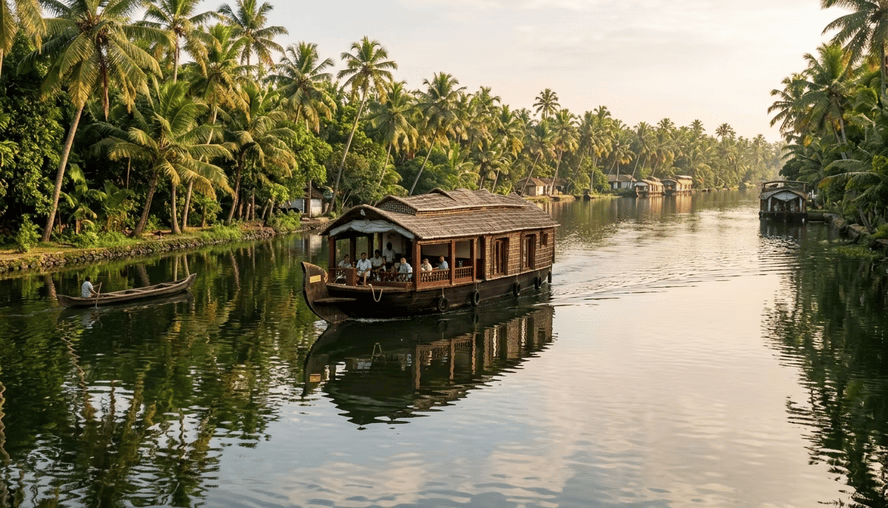
Kerala is a great first taste of the region because it feels lush from the moment you arrive. The Alleppey and Kumarakom backwaters are the classic draw, with narrow canals, village life, and houseboats moving at a sleepy pace. Spend a night on the water if you can, or choose a lakeside stay and take a smaller canoe ride for a quieter view.
Head inland to Munnar for tea plantations, cool air, and winding roads through the Western Ghats. It’s popular, yes, but the scenery earns the attention. Nearby, Thekkady and Periyar work well if you want spice farms, forest walks, and the chance to spot wildlife from a boat.
For the coast, Varkala has red cliffs above the sea, casual cafes, and a laid-back feel. Kovalam is busier but handy if you want easy beach time near Thiruvananthapuram.
Tamil Nadu is the place for temple towns and living traditions
Tamil Nadu is one of the best places in India for temple architecture. Madurai’s Meenakshi Amman Temple is full of color, carvings, and daily ritual. It’s not just a monument, it’s an active place of worship, so go with patience and respect.
Thanjavur is home to the Brihadeeswarar Temple, a UNESCO-listed Chola masterpiece known for its scale and stonework. Pair it with Kumbakonam if you like smaller temple towns and traditional bronze casting.
For French-Tamil charm, add Puducherry. The old French Quarter has quiet streets, colonial-era buildings, and seaside walks, while nearby Auroville offers a very different, experimental community feel.
Need mountains? Ooty and Coonoor in the Nilgiris give you tea gardens, cool weather, and scenic train rides. Coonoor tends to feel calmer than Ooty, especially outside peak season.
Karnataka mixes royal cities, ruins, beaches, and forests
Karnataka might be the most varied state in South India. Mysuru is graceful and easy to enjoy, with its palace, markets, silk shops, and nearby Chamundi Hill. It’s a good cultural stop without the intensity of a huge city.
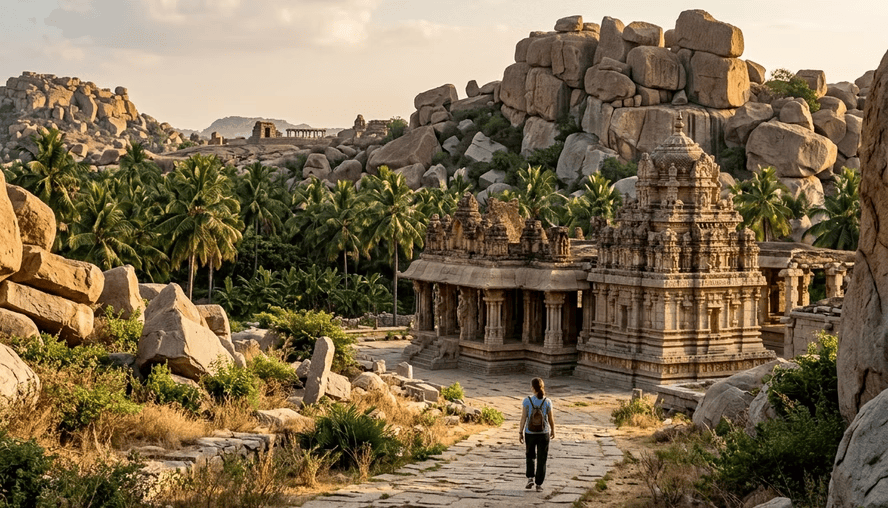
Then there’s Hampi, one of the region’s most unforgettable places. The ruins of the Vijayanagara Empire sit among giant boulders, banana fields, and the Tungabhadra River. Go early in the morning or late afternoon, when the stone glows and the heat softens.
For nature, head to Coorg, also called Kodagu. Coffee estates, waterfalls, forested hills, and homestays make it a favorite weekend escape. Farther north, Gokarna offers beaches with a quieter feel than Goa, especially if you hike between coves.
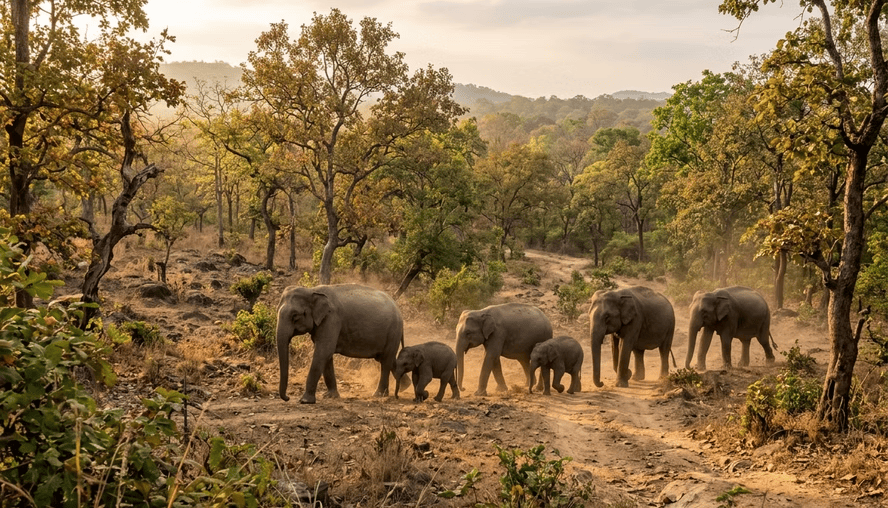
Karnataka also has strong wildlife options. Nagarhole, Bandipur, and Kabini are known for safaris, with forests that support elephants, deer, gaur, and big cats, though sightings always depend on luck and season.
Hyderabad adds history and serious flavor
Hyderabad, in Telangana, brings a different energy. The Charminar, old bazaars, Golconda Fort, and Qutb Shahi Tombs are all worth your time. The city is also one of India’s great food destinations, especially if biryani is high on your list.
It’s more urban than the other stops here, but that contrast can make a South India itinerary feel richer.
Stay somewhere that feels rooted in the place
A good hotel in South India can be more than a bed. It can shape the whole trip, especially if you pick places that reflect local architecture, food, and setting.
Here are a few styles of stay to look for:
Backwater houseboats in Kerala
Best around Alleppey or Kumarakom. Choose operators that use responsible waste practices and smaller routes when possible.
Coffee estate stays in Coorg or Chikmagalur
Great for slow mornings, plantation walks, and home-style meals. Many are family-run and feel personal.
Heritage mansions in Chettinad
The Chettinad region of Tamil Nadu is known for grand old merchant homes, patterned tiles, courtyards, and excellent food.
Temple town heritage hotels
Cities like Madurai, Thanjavur, and Mysuru have restored properties that keep you close to cultural landmarks.
Eco-lodges near wildlife reserves
Around Kabini, Nagarhole, Periyar, or Wayanad, these make early safaris and guided nature walks much easier.
For specific inspiration, look at properties and hotel groups known for local character, such as CGH Earth in Kerala, Evolve Back in places like Coorg and Hampi, heritage homes in Chettinad, and plantation stays across Coorg, Wayanad, and Chikmagalur. Availability, standards, and ownership can change, so read recent reviews before booking.
If you want the most authentic feel, don’t only chase luxury. Some of the best memories come from a small homestay where breakfast is served on a banana leaf and the owner tells you which road to take to the quiet waterfall.
Eat your way through the region
Food is one of the biggest reasons to travel here. South Indian cooking changes from state to state, coast to hills, and city to village. Coconut, curry leaves, tamarind, black pepper, rice, lentils, seafood, and fermented batters all show up often, but the results taste wildly different.
Start with the classics:
- Masala dosa – A crisp rice-and-lentil crepe filled with spiced potatoes, usually served with sambar and chutneys.
- Idli and vada – Soft steamed rice cakes and savory lentil doughnuts. Simple, filling, and perfect for breakfast.
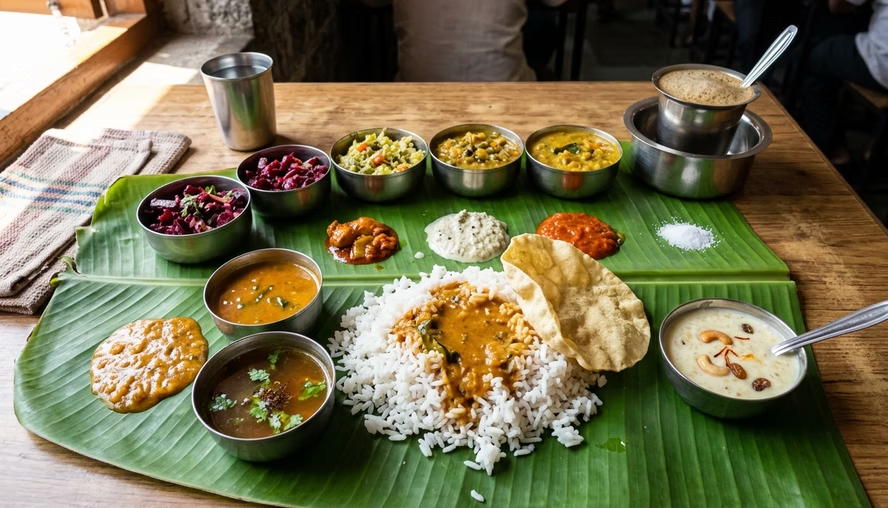
- Kerala sadya – A banana-leaf feast with rice, vegetable dishes, pickles, pappadam, sambar, rasam, and payasam. It’s especially common during festivals and special meals.
- Appam with stew – A lacy rice pancake paired with a mild coconut-based curry, often found in Kerala.
- Chettinad chicken or mushroom curry – Bold, peppery, and spice-forward, with a flavor that lingers in the best way.
- Hyderabadi biryani – Fragrant rice layered with meat or vegetables and spices. It’s a meal people travel for.
- Andhra meals – Rice-centered thalis with punchy pickles, lentils, vegetables, rasam, curd, and often a good amount of heat.
- Filter coffee – Strong, sweet, milky, and served in a metal tumbler and dabarah. Don’t skip it.
A quick tip: eat where the turnover is high. Busy breakfast spots, popular thali restaurants, and local messes often serve the freshest food. If spice levels worry you, ask for mild, but know that “mild” can still have some kick.
Add adventure without overpacking the trip
South India has plenty of adventure, but the best plan is to pick one or two activities and give them time. The region rewards slower travel, especially in the hills and forests.
Trek through the Western Ghats
The Western Ghats run like a green spine through much of South India. Popular trekking areas include Munnar, Wayanad, Coorg, Chikmagalur, Kudremukh, and the Nilgiris.
Some treks need permits or local guides, especially in protected areas. Weather matters too. Trails can get slippery during heavy monsoon months, while the post-monsoon period often brings clear views and full waterfalls.
Good options include:
- Chembra Peak area in Wayanad – Known for mountain views and forested trails, with access rules that can change.
- Kudremukh in Karnataka – A favorite for rolling grasslands and misty ridges, typically done with permits.
- Meesapulimala near Munnar – One of the higher trekking experiences in Kerala, usually arranged through authorized channels.
Try water sports on the coast and rivers
If you like the water, South India has plenty going on beyond beach lounging. Mulki in Karnataka is known for surfing and kayaking in calmer waters. Gokarna has sea kayaking and beach hikes. Kovalam and Varkala offer surfing lessons during suitable conditions.
For river adventure, Dandeli in Karnataka is popular for white-water rafting, depending on water levels and seasonal releases. Coracle rides, kayaking, and zip-line activities are also common in some areas.
Go on a wildlife safari
Safaris in South India are about the forest as much as the animals. The big-name reserves include Nagarhole, Bandipur, Kabini, Periyar, Mudumalai, and Wayanad.
You might see elephants, spotted deer, sambar, peacocks, langurs, wild boar, and, if luck is on your side, leopards or tigers. Keep expectations realistic. Wildlife is wild, not scheduled.
Choose authorized safaris, follow park rules, and avoid any activity that promises close contact with animals. The best guides focus on tracks, birds, trees, and the whole ecosystem, not just big sightings.
Plan a route that leaves room to breathe
The biggest mistake in South India is trying to see every famous place in one trip. Distances can look short on a map, but hill roads, city traffic, and temple visits all take time.
For a first trip of about 10 to 14 days, choose one of these routes:
| Route | Best for | Easy flow |
| Kerala classic | Nature, food, backwaters, soft adventure | Kochi, Munnar, Thekkady, Alleppey or Kumarakom, Varkala |
| Tamil Nadu culture trail | Temples, heritage, food, architecture | Chennai, Mahabalipuram, Puducherry, Thanjavur, Madurai |
| Karnataka mix | Palaces, ruins, coffee hills, wildlife | Bengaluru, Mysuru, Coorg or Kabini, Hampi, Gokarna |
| South India sampler | A bit of everything | Kochi, Munnar, Madurai, Mysuru, Hampi |
The best travel months for many routes are roughly November through February, when the weather is more comfortable. March through May can be hot, especially in cities and temple towns. Monsoon season brings lush scenery and fewer crowds in some places, but it can also affect trekking, beach time, and road conditions.
A few simple habits will make the trip smoother:
- Carry light cotton clothes, plus one layer for hill stations.
- Dress modestly for temples, with shoulders and knees covered.
- Remove shoes where required at religious sites.
- Book popular safaris and special stays early.
- Keep cash for smaller towns, markets, and local eateries.
- Build in slow mornings. They’re worth it.
South India isn’t a place to rush through with a checklist. Let one great temple, one long meal, one winding hill road, and one quiet stretch of water stay with you. Pick a route, leave space for surprises, and you’ll come home already thinking about the next trip.
