Chase Ultimate Rewards can be worth a flat penny per point, or far more, depending on how they are earned and redeemed. That gap is what makes the program powerful, and also why casual use can leave real value on the table.
At its core, Chase Ultimate Rewards is a bank rewards program tied to eligible Chase credit cards. Points can usually be redeemed for cash back, travel, gift cards, Apple products, shopping, experiences, or transfers to airline and hotel partners if the account is linked to an eligible premium card.
This guide is informational only and is not financial advice. Card benefits, fees, and redemption rules can change, so always confirm current terms with Chase before applying or redeeming.

Travel rewards work best when the plan starts before the booking.
How Chase Ultimate Rewards points work
Chase Ultimate Rewards points are a flexible currency. They are not miles tied to one airline or points locked to one hotel chain. Instead, they sit in a Chase rewards account and can be used in several ways.
The value depends on the redemption method.
Common baseline values include:
| Redemption method | Typical value pattern | Best use case |
| Cash back or statement credit | Often 1 cent per point | Simple, predictable value |
| Travel booked through Chase Travel | Often 1 to 1.5 cents per point, depending on card | Paid flights, hotels, rental cars, cruises |
| Transfers to travel partners | Variable, sometimes much higher | Award flights and hotel stays |
| Gift cards | Often around 1 cent per point, sometimes discounted | Retailers you already use |
| Shopping with points | Often lower than travel or cash back | Convenience, not usually best value |
The most important rule is that not all Chase cards unlock the same options.
No-annual-fee cards such as Chase Freedom Flex and Chase Freedom Unlimited can earn Ultimate Rewards points, even when marketed as cash back. On their own, those points are usually redeemable like cash back. When paired with a premium card such as Chase Sapphire Preferred, Chase Sapphire Reserve, or Ink Business Preferred, points can usually be combined and then transferred to travel partners.
That pairing is one reason people build a “Chase trifecta,” where different cards cover different spending categories while one premium card unlocks stronger travel redemptions.
A simple example:
- A Freedom card earns bonus rewards on everyday spending.
- A Sapphire card earns well on travel and dining.
- Points are combined into the Sapphire account.
- The combined balance can then be used through Chase Travel or transferred to partners.
This setup gives the same points more possible exits, which is where value often improves.
The best ways to earn more points
The fastest way to earn Chase points is usually a welcome bonus. The most sustainable way is matching the right card to the right spending.
Chase offers several Ultimate Rewards-earning cards, though exact offers and categories change over time. The major families are:
| Card family | Common role | Who it tends to fit |
| Chase Sapphire Preferred | Mid-tier travel card | Travelers who want transfers without a high annual fee |
| Chase Sapphire Reserve | Premium travel card | Frequent travelers who can use premium benefits |
| Chase Freedom Flex | Rotating and bonus categories | People who track quarterly categories |
| Chase Freedom Unlimited | Everyday spending | People who want simple earning on many purchases |
| Ink Business Preferred | Business travel and transfers | Business owners who want partner transfers |
| Ink Business Cash and Ink Business Unlimited | Business spending | Business owners who want no-annual-fee earning options |
Chase publishes current earning rates in each card’s pricing and rewards terms. In general, the program rewards spending in categories such as travel, dining, drugstores, select business expenses, and rotating quarterly categories on eligible cards.
For beginners, the key is to avoid chasing categories that do not match real spending. A 5x category is only useful if it covers something already in the budget. Buying extra items just to earn points usually wipes out the value.
For seasoned travelers, the bigger opportunity is card pairing.
A common approach looks like this:
- Use Sapphire Preferred or Sapphire Reserve for dining and travel.
- Use Freedom Unlimited for purchases that do not fall into a bigger bonus category.
- Use Freedom Flex when quarterly bonus categories match planned spending.
- Use Ink cards for eligible business expenses such as internet, phone service, shipping, or advertising, depending on the card’s current terms.
The math can be simple. If a $500 purchase earns 1.5x, that is 750 points. If another card earns 3x in the same category, that is 1,500 points. Over a year of normal spending, those differences can add up.

Category planning can turn ordinary purchases into useful rewards.
How to redeem points for stronger value
Redemption strategy matters as much as earning strategy. The same 60,000 points can have very different outcomes.
Cash back is simple and reliable
Cash back is the easiest redemption. If points are redeemed at 1 cent each, 60,000 points equals $600. That is clean value, and there is nothing wrong with using points this way if cash savings matter more than travel.
Cash back also gives a useful floor. If a travel redemption gives less than 1 cent per point, it may not be worth using points.
Chase Travel can be a good middle path
Cardholders can book flights, hotels, rental cars, cruises, and activities through Chase Travel. With certain Sapphire and Ink cards, points may be worth more when used this way. Chase Sapphire Preferred and Ink Business Preferred have historically offered 25% more value through Chase Travel, while Chase Sapphire Reserve has historically offered 50% more value.
That means:
| Card used for Chase Travel | Example point value through portal | 60,000-point example |
| No premium card | 1 cent per point | $600 |
| Sapphire Preferred or Ink Business Preferred | 1.25 cents per point | $750 |
| Sapphire Reserve | 1.5 cents per point | $900 |
This can be useful when paid fares are cheap or award seats are hard to find. A $300 domestic flight through Chase Travel might cost 20,000 points with Sapphire Reserve if redeemed at 1.5 cents per point.
One tradeoff is that bookings may follow the rules of the travel portal, not always the same rules as booking direct. For hotels, elite status benefits and points earning may not apply when booked through a third-party portal. For flights, details can vary by airline and ticket type.
Gift cards can be fine, but compare first
Gift cards often redeem near 1 cent per point, and Chase sometimes offers discounts on select brands. A discounted gift card for a store already in the plan can be a decent choice.
The risk is using points for gift cards that encourage extra spending. A $100 gift card is not really $100 saved if it leads to a $250 purchase that would not have happened otherwise.
Shopping with points is usually weaker
Retail checkouts sometimes invite cardholders to pay with points. This is convenient, but the value can be lower than cash back or travel. Before clicking, compare the point cost with the cash price.
A quick rule works well: divide the cash value by the number of points required, then multiply by 100.
For example, if a $50 item costs 6,250 points, the value is 0.8 cents per point. That is below a typical 1-cent cash back redemption.
How to transfer points to travel partners
Transfers are where Chase Ultimate Rewards points can become especially valuable. Eligible cardholders can move points, usually at a 1:1 ratio, to participating airline and hotel loyalty programs. Chase has included partners such as United MileagePlus, Southwest Rapid Rewards, Air Canada Aeroplan, British Airways Executive Club, Virgin Atlantic Flying Club, World of Hyatt, IHG One Rewards, and Marriott Bonvoy, among others. Partner lists can change, so verify the current list in your Chase account.
The basic steps are:
- Log in to Chase Ultimate Rewards.
- Choose an eligible Sapphire or Ink account.
- Select transfer partners.
- Link the airline or hotel loyalty account.
- Enter the number of points to transfer.
- Confirm only after award space or room availability is verified.
The strongest transfer values often come from:
- Premium cabin international flights
- Short-haul flights priced favorably by distance-based programs
- Hyatt hotel stays where cash rates are high
- Airline transfer bonuses when Chase offers them
- Trips with flexible dates and airports
World of Hyatt is often praised by points travelers because award prices can compare well against cash rates, especially at expensive properties. Airline partners can also deliver high value, but they require more research. Award availability changes often, taxes and fees vary, and some programs charge more for peak travel dates.
A practical example:
If a hotel costs $450 per night or 15,000 transferred points, that redemption gives 3 cents per point before taxes and fees. That is far above a 1-cent cash redemption. If the same hotel costs $180 or 25,000 points, paying cash may be smarter.
A high-value redemption is not the one with the fanciest marketing. It is the one where the points replace the most cash for a trip you actually want.
Transfers are usually one-way. Once Chase points move to an airline or hotel program, they generally cannot be moved back. That makes timing important.

Transfers can work well when award seats match real travel plans.
Common mistakes that reduce point value
Chase points are flexible, but a few habits can make them less useful.
Carrying a balance
Credit card interest can erase rewards fast. If a card charges interest and the balance is not paid in full, the cost can easily exceed the value of points earned. Rewards work best when the card is used like a debit card and paid off every statement cycle.
Applying without a plan
Welcome bonuses can be valuable, but they usually require a minimum spend within a set time. Applying before a planned large purchase may make sense. Applying without enough normal spending can lead to forced purchases, which weakens the value.
Chase is also widely reported to apply application restrictions, including the well-known “5/24” guideline, where many recent new card accounts can affect approval odds. Chase does not present this as a simple public rule for every situation, so treat it as a planning factor rather than a guaranteed formula.
Redeeming before comparing options
A common mistake is spending points through the first redemption button that appears. Before redeeming, compare at least three options:
- Cash back value
- Chase Travel price
- Transfer partner award price
If the transfer partner option gives only slightly more value, the simplicity of a portal or cash redemption may win. If it gives double or triple the value, the extra effort may be worth it.
Forgetting about annual fees
Premium cards can unlock large value, but only if the benefits are used. Compare annual fees against real usage, not theoretical perks. Travel credits, lounge access, stronger redemption rates, and transfer partners matter only when they fit actual behavior.
Letting accounts get disorganized
Points can often be combined within eligible household or business rules, but account settings, authorized users, and card closures need care. Before closing a card, check whether points need to be moved to another eligible Chase card. Closing the wrong account without a plan can limit redemption options.
Transferring speculatively
Do not transfer points just because a trip “might” happen. Airline and hotel programs can change award prices, and transferred points may expire under partner rules. Keep points in Chase until there is a specific redemption ready to book.
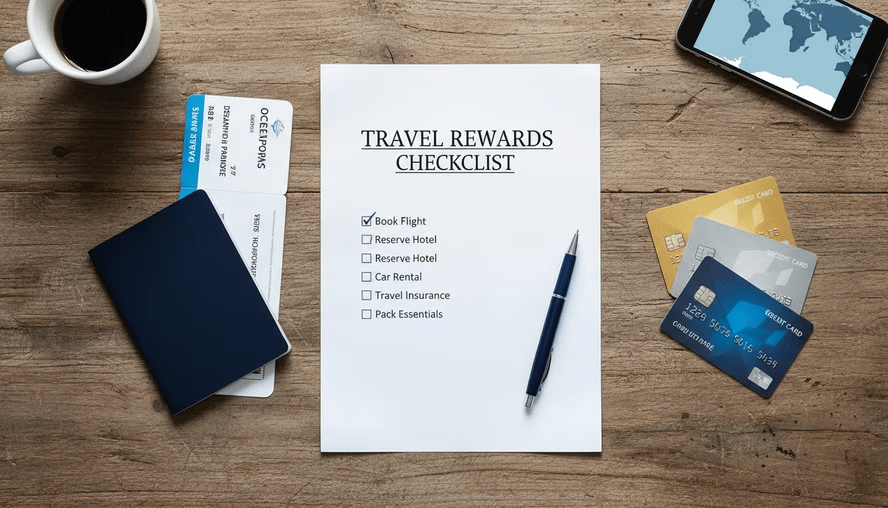
A short checklist helps prevent the most expensive rewards mistakes.
The smart way to use Chase points
The best Chase strategy is not complicated. Earn with the right card for each major spending category, keep a premium card if its benefits justify the fee, and redeem only after comparing the cash price, Chase Travel price, and transfer partner price.
For simple value, cash back gives a clear baseline. For easy travel, Chase Travel can stretch points on eligible cards. For the highest upside, transfers to airline and hotel partners can deliver excellent value when award space lines up.
A strong rule of thumb is this: earn points on normal spending, redeem them for travel you would be happy to pay for, and never let rewards justify debt or unnecessary purchases. That approach keeps Chase Ultimate Rewards useful for both first redemptions and more advanced trips.
